
Icom M94D VHF Transceiver
4.4Editor score
Built-in AIS receiver
6W RF transmit power
Floating design with light
This guide compares the top ten AIS transponders for boats to help you find the best Class A or Class B system for safety and compliance.
Navigating open waters requires advanced safety equipment to ensure your vessel is visible to others. An AIS transponder broadcasts your position and identifies your boat to nearby ships and shore stations.
We have evaluated ten leading models based on their features, connectivity options, and reliability. This list includes both standalone units and bundled systems for different vessel types.
Each pick highlights key strengths and ideal use cases for mariners. Please note that pricing and availability may change frequently online.
4.4Editor score

4.8Editor score
4.9Editor score
This table provides a quick overview of the essential specifications and capabilities for each of the ten top-rated AIS transponder models.





The Icom MA-510TR stands out as a top-tier AIS transponder for serious mariners. It combines a clear display with essential safety features like DSC calling and integrated GPS.
We may earn a commission when you buy through this link, at no additional cost to you.
This unit excels in usability and connectivity. You can easily connect it to your network via USB and configure it with your specific ship details for compliance.
While it is an investment, the reliable performance and multilingual interface make it worth the cost for those who navigate frequently.
Buy this if you want a standalone, high-performance unit that integrates smoothly with existing onboard systems.
The bright display ensures you can see traffic data even in direct sunlight or at night.
Silent mode allows for discreet operations while still maintaining essential transponder functions.
We may earn a commission when you buy through this link, at no additional cost to you.
The EM-TRAK B921 is designed for boats where space is limited. It offers core Class B functionality without extra bulk.
We may earn a commission when you buy through this link, at no additional cost to you.
Its dual voltage capability makes it versatile for various electrical systems found on recreational vessels. The standard design ensures easy integration.
While it lacks some advanced display features, it performs its primary task of identifying your vessel reliably.
This model is ideal for sailors who prioritize compact installation over a detailed onboard display.
The unit fits into tight spaces while still delivering reliable communication performance.
Support for both 12 and 24 volts ensures compatibility with a wide range of marine electrical systems.
We may earn a commission when you buy through this link, at no additional cost to you.
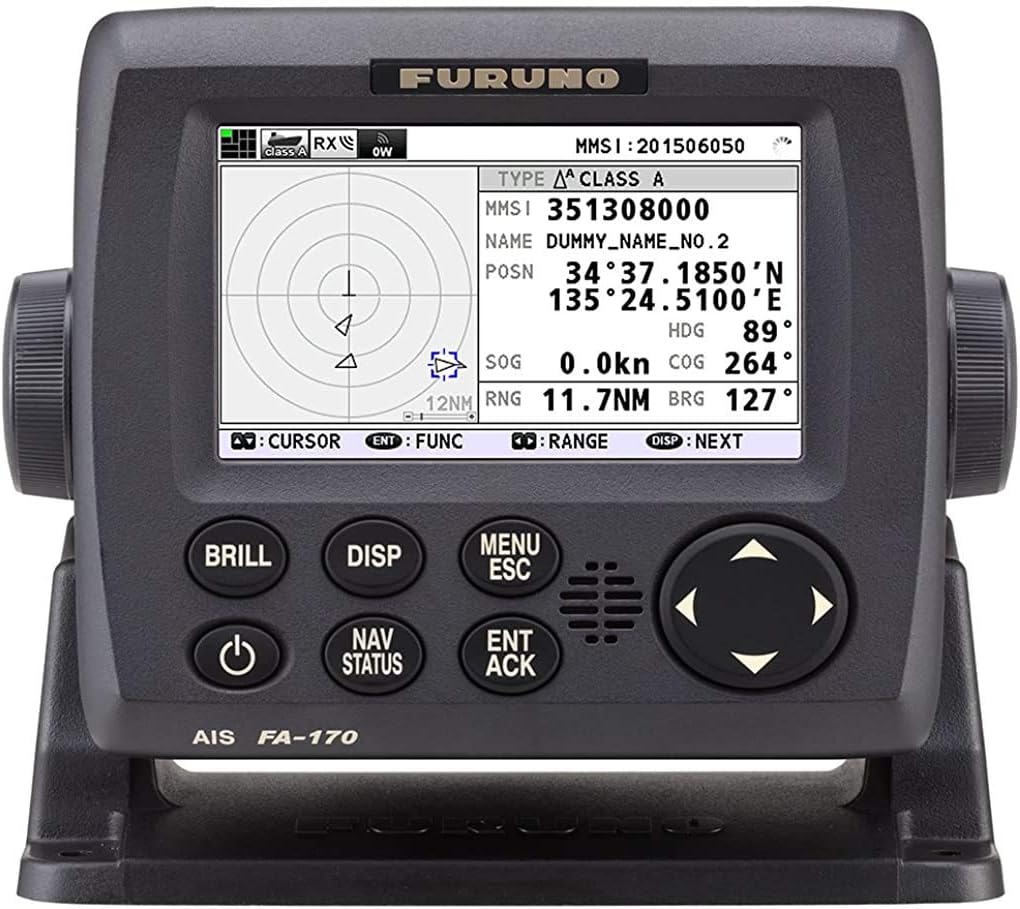
The Furuno FA170 is a powerhouse for vessels that require Class A compliance. It handles massive data loads with ease.
We may earn a commission when you buy through this link, at no additional cost to you.
Its ability to store over 2,000 targets allows for comprehensive traffic monitoring even in busy shipping lanes.
The dangerous target list feature provides proactive safety alerts that are crucial for large vessels.
This unit is best suited for professional or large commercial craft needing top-tier monitoring capabilities.
With extensive target storage, you can maintain a history of nearby vessels for better decision making.
The dangerous target list helps identify potential collision risks before they become critical.
We may earn a commission when you buy through this link, at no additional cost to you.
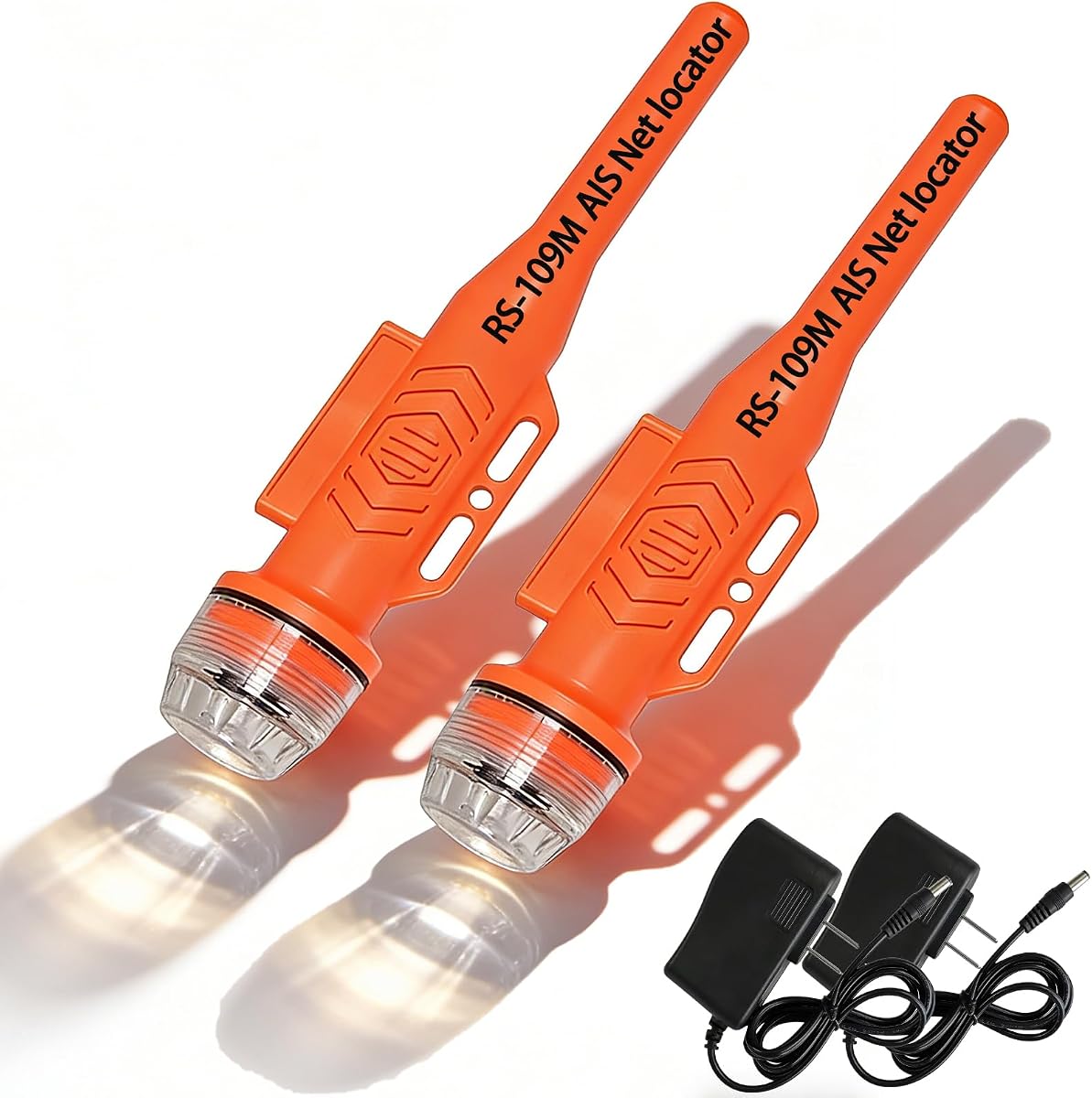
The RS-109M is a specialized tracker designed for fishing nets and gear. It ensures you do not lose valuable equipment.
We may earn a commission when you buy through this link, at no additional cost to you.
It transmits real-time battery levels and GPS data so you can monitor buoy status remotely without checking the device manually.
The IPX7 rating means it can withstand submerged conditions without damage or signal loss.
Purchase this if you frequently deploy nets and need reliable retrieval capabilities.
Keeping track of nets and buoys prevents loss and ensures safe recovery operations.
The extended battery life reduces maintenance time and ensures consistent signal transmission.
We may earn a commission when you buy through this link, at no additional cost to you.
The Raymarine T70424 offers a streamlined solution for those already invested in Raymarine electronics. It bundles VHF and AIS effectively.
We may earn a commission when you buy through this link, at no additional cost to you.
This bundle ensures compatibility between communication devices and reduces wiring complexity during installation.
Users report high satisfaction with the unified functionality and simplified interface.
This is a strong choice for Raymarine users seeking a quick and reliable upgrade.
Having both systems in a bundle allows for consistent control and display across your navigation setup.
Pre-paired components reduce the time and effort required to get your system up and running.
We may earn a commission when you buy through this link, at no additional cost to you.
The ACR RESQLINK is a personal beacon designed for individuals rather than vessels. It sends distress signals to local AIS and satellites.
We may earn a commission when you buy through this link, at no additional cost to you.
The return link service confirms when rescue teams receive your signal, providing critical peace of mind.
It integrates with mobile apps for easy testing and battery monitoring.
Every crew member should have one for additional safety beyond vessel systems.
This beacon ensures that individuals who fall overboard are quickly identified by nearby vessels and rescue teams.
The NFC and mobile app features make it easy to check battery status and test the device regularly.
We may earn a commission when you buy through this link, at no additional cost to you.
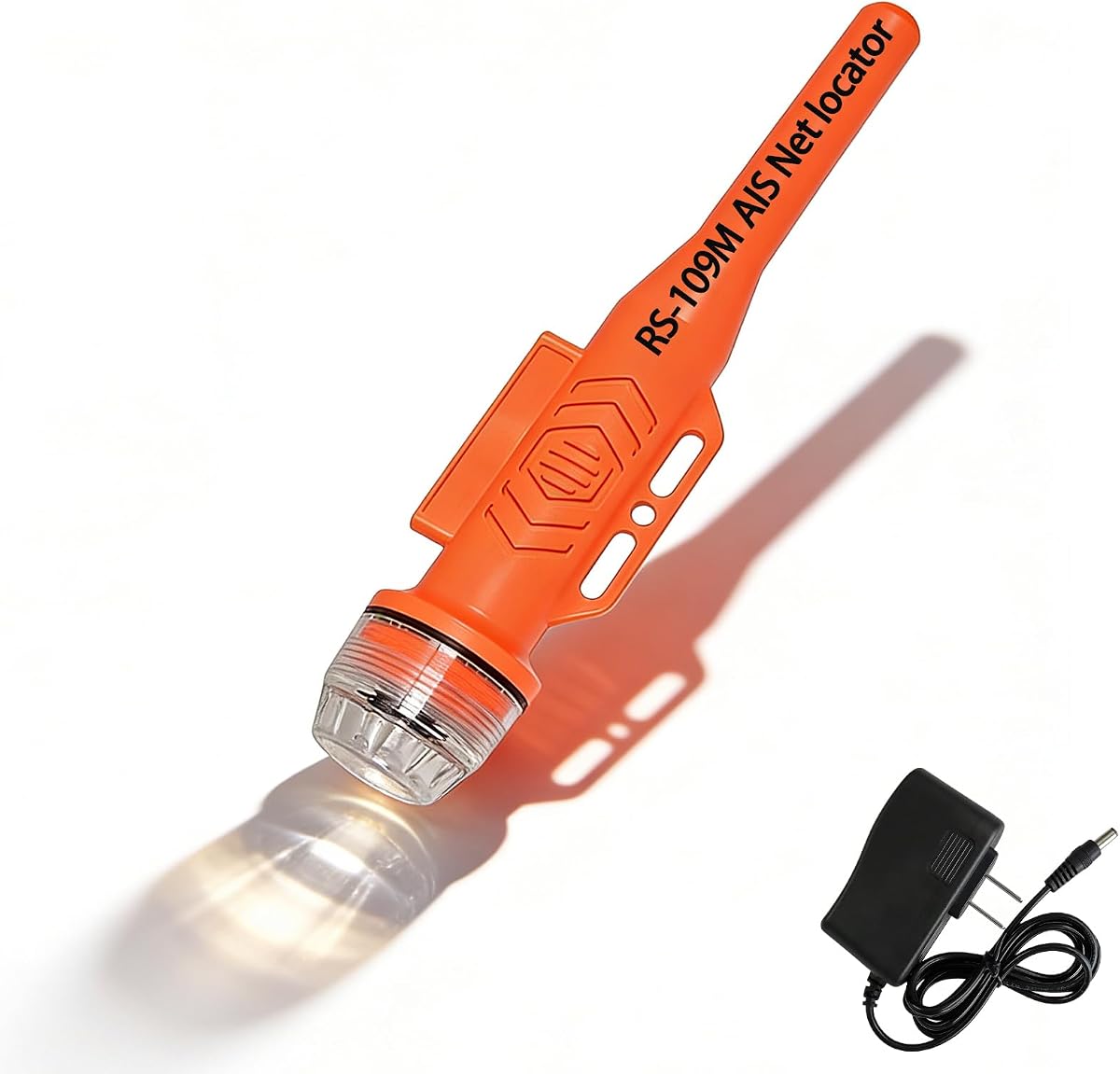
Similar to the two-pack, this unit offers reliable GPS positioning and waterproof durability. It is an essential tool for fishers.
We may earn a commission when you buy through this link, at no additional cost to you.
The real-time data ensures you always know the status of your buoys without needing to retrieve them manually.
It balances affordability with high performance for marine conditions.
Invest in this if you need to track multiple gear items efficiently.
Designed for harsh environments, the housing protects the electronics from water and impact.
The lithium battery ensures long-term operation even during extended fishing trips.
We may earn a commission when you buy through this link, at no additional cost to you.
The Icom M94D is a versatile handheld VHF that includes an AIS receiver. This is great for viewing traffic without a dedicated transponder.
We may earn a commission when you buy through this link, at no additional cost to you.
Its floating design and high audio output make it a practical choice for small boat safety kits.
It offers a significant upgrade over standard VHF radios at a lower cost.
Select this if you want AIS visibility on a budget.
The handheld form factor ensures you have communication access even when away from the helm.
The built-in receiver displays nearby targets on the screen, enhancing safety in traffic zones.
We may earn a commission when you buy through this link, at no additional cost to you.
The Icom M510 EVO is a newer model that integrates AIS reception into a modern VHF radio. It supports NMEA 2000 for seamless data sharing.
We may earn a commission when you buy through this link, at no additional cost to you.
This ensures that your communication and navigation systems are fully integrated for better efficiency.
It is a reliable upgrade for boats needing contemporary marine electronics.
Choose this if you want to modernize your communication setup.
NMEA 2000 compatibility allows the radio to send and receive data from other compatible marine instruments.
The updated design provides a user-friendly experience with clear controls and displays.
We may earn a commission when you buy through this link, at no additional cost to you.
The Raymarine AIS700 is a dedicated Class B transceiver designed for Raymarine users. It features a built-in splitter to simplify antenna use.
We may earn a commission when you buy through this link, at no additional cost to you.
This unit offers both transmit and receive capabilities for full situational awareness on the water.
While ratings vary, it remains a strong option for those with compatible displays.
Use this if you are looking to integrate a dedicated transponder into a Raymarine network.
The built-in antenna splitter reduces the need for external components, making installation cleaner.
Compatibility with SeaTalkng and NMEA allows for flexible integration with your existing systems.
We may earn a commission when you buy through this link, at no additional cost to you.
Selecting the right AIS transponder depends on your vessel size, budget, and integration needs.
Class A transponders are mandatory for commercial vessels and larger boats. They broadcast with higher power and are visible from greater distances. Class B units are suitable for smaller recreational boats and offer lower cost.
Choose Class A for compliance and range or Class B for smaller vessels to save money.
Some transponders come with built-in displays for local traffic viewing. Others are remote units that require a separate screen or chartplotter to view data.
Decide if you want a standalone unit or a remote unit that integrates with your chartplotter.
Modern units offer USB, NMEA 2000, or NMEA 0183 ports for connecting to other devices. Ensure the model you select supports your existing network.
Verify that the connector type matches your navigation system to avoid expensive adapters.
Most transponders require an external VHF antenna. Some models include splitters to allow sharing one antenna with your radio. Check if a splitter is included.
Ensure your antenna setup supports both transmission and reception without signal loss.
Continuous transmission uses significant power on smaller boats. Check the voltage requirements and typical draw to ensure your battery can support it.
Calculate power usage to avoid draining your battery during extended trips.
Marine electronics must withstand harsh conditions. Look for units with high IP ratings or corrosion-resistant housings.
Select a unit rated for marine environments to ensure longevity.
Using a brand that matches your chartplotter can simplify setup and ensure feature compatibility. However, standard protocols allow mixing brands.
Consider sticking to one brand if you want a seamless dashboard experience.
Safety features like collision alarms and anchor watch modes add significant value. Evaluate which features are essential for your navigation style.
Prioritize models that offer alarms to keep you alert to potential hazards.
Power up your unit and ensure the GPS antenna has a clear view of the sky for accurate positioning. Wait for the green light indicating a valid fix.
Configure your vessel details including name and MMSI number as required by your local regulations. This ensures accurate identification by other ships.
Perform regular battery checks and updates for firmware. Clean connectors with salt water to prevent corrosion over time.
A receiver only picks up signals from other ships allowing you to see them. A transponder sends out your own position so others can see you. Transponders are more useful for safety and compliance.
Ideally yes for best range. However many units use a splitter to share a VHF antenna. This reduces cost but can slightly lower performance.
It depends on vessel size and type. Large commercial ships must carry Class A units. Small recreational boats are not required to carry AIS but it is highly recommended.
The signal range is typically around 10 nautical miles depending on antenna height and conditions. This provides early awareness of traffic even beyond radar range.
No. Most handheld radios only have receivers. They can show you traffic but cannot transmit your position unless they are specific transceiver models.
The MMSI is a unique ID assigned to your vessel. It allows other ships to know who they are seeing on their displays and helps rescue services identify your boat quickly.
We have reviewed top units from Icom, Furuno, and Raymarine. The Icom MA-510TR is a strong overall choice for most boaters.
Prioritize safety features like collision alarms and GPS accuracy when shopping. Ensure your unit fits your network to avoid compatibility issues.
Always check current prices and availability as models update often. Choosing the right transponder is a vital step for safe navigation.