
Rugged Air RA200
4.6Editor score
Lightweight 16 oz design
24db noise reduction
Includes padded carrying bag
This guide compares the top aviation headset options for pilots and students, evaluating noise reduction, comfort, and communication clarity for safe flights.
Choosing the right aviation headset is critical for pilot safety and communication clarity. A quality headset reduces engine noise, ensures clear radio transmission, and provides comfort during long flights without causing fatigue or distraction in the cockpit.
We evaluated ten top-rated aviation headsets based on noise cancellation technology, build durability, comfort features, and audio quality. Our analysis covers passive and active noise reduction, microphone performance, and connectivity options to help you find the best fit for your aircraft and budget.
Each product in this list highlights key strengths and potential trade-offs for different flying needs. While prices may fluctuate over time, the features and performance characteristics remain consistent guides to inform your purchasing decision for the current flight season.
4.6Editor score
4.7Editor score

4.6Editor score
The following table provides a side-by-side comparison of the ten selected aviation headsets, highlighting their core specifications and key features to assist in quick decision-making for pilots and flight students.


The Bose A30 represents the pinnacle of modern aviation headset design with its focus on comfort and advanced noise management. This full-sized circumaural headset offers a lightweight feel that reduces strain during extended operations. Its rating reflects high satisfaction among pilots who value clarity and reliability.
We may earn a commission when you buy through this link, at no additional cost to you.
Its precision-focused microphone ensures that your voice comes through clearly even in noisy environments. The adjustable active noise reduction modes allow you to tailor the level of cancellation to specific flight conditions. This adaptability makes it a strong choice for both turbine and piston aircraft.
While the feature set is robust, some pilots may find the range of settings initially overwhelming. The higher cost is justified by the durability and comfort, but budget-conscious buyers might consider more basic options. These trade-offs are acceptable for those prioritizing premium performance.
If you demand the best in comfort and communication technology, the A30 is an excellent investment. It suits professional aviators and frequent flyers who need dependable performance across diverse flight environments. The inclusion of Bluetooth connectivity further enhances its utility for modern cockpits.
The A30 offers three selectable modes of active noise cancellation, allowing pilots to adjust based on their preference or specific aircraft noise profiles.
The removable and side swappable down cable and mic allow you to configure the headset to your preferred side without needing any tools.
We may earn a commission when you buy through this link, at no additional cost to you.
The Rugged Air RA200 is a standout option for student pilots seeking reliable performance without a high cost. Its lightweight design of only 16 ounces makes it easy to wear for long training sessions. The rating indicates strong approval for its comfort and durability.
We may earn a commission when you buy through this link, at no additional cost to you.
It features a premier noise reduction rating of 24db and an electret noise-canceling microphone that ensures clear communication. Individual volume controls on each ear allow for personalized audio adjustment. This simplicity makes it ideal for beginners who do not need advanced technology.
The lack of active noise reduction means it relies on passive sealing, which may not suffice in very loud turbine environments. However, for general aviation training, it provides excellent value. The included padded bag helps protect your investment outside of flying times.
For flight schools or students on a budget, this headset delivers essential features effectively. It prioritizes comfort and clarity over extra connectivity options. It is a practical choice for those starting their aviation journey.
The RA200 is specifically marketed for student pilots and flight schools, balancing cost with the durability needed for frequent use.
Users can adjust volume independently for each ear, which can help maintain balance and reduce fatigue during long flights.
We may earn a commission when you buy through this link, at no additional cost to you.
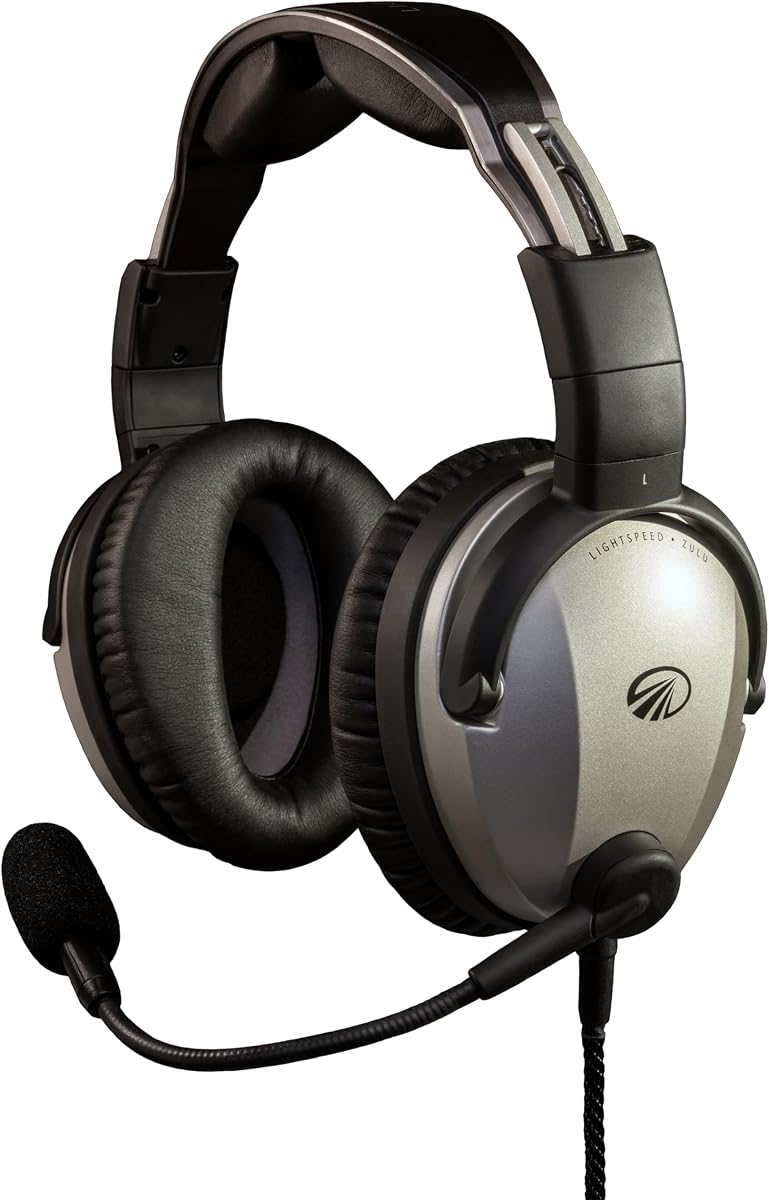
The Lightspeed Zulu 3 is widely recognized as a top-tier choice for pilots seeking a balance of comfort and advanced features. It delivers superior quiet with advanced active noise reduction over a broad range of frequencies. Its rating reflects high trust among professional pilots.
We may earn a commission when you buy through this link, at no additional cost to you.
The design uses magnesium ear cups and a stainless-steel headband for exceptional durability. ComPriority technology ensures you never miss critical radio communications by automatically lowering auxiliary volume. This safety-focused feature is highly valued in busy airspace.
The included FlightLink app allows recording of incoming and outgoing communications for post-flight analysis. While powerful, this feature adds complexity to the user experience. The higher cost is justified by the longevity and specialized functionality it offers.
If you need a reliable, durable headset with modern connectivity and recording features, this model is ideal. It suits pilots who fly regularly and require a tool that will last for years. The investment pays off in comfort and communication clarity.
ComPriority automatically lowers auxiliary device volume during radio or intercom transmissions, ensuring important communications are never missed.
The FlightLink app enables pilots to capture and review their communications, which is useful for debriefing and training purposes.
We may earn a commission when you buy through this link, at no additional cost to you.
The Lightspeed Sierra is designed for pilots who value comfort and seamless device integration. It offers five-star comfort with a reversible headband and microphone design for a lightweight fit. The rating shows consistent satisfaction with its build quality.
We may earn a commission when you buy through this link, at no additional cost to you.
Bluetooth connectivity allows for easy pairing with mobile devices and audio systems. The integrated control box simplifies auxiliary input management. This setup is convenient for pilots who use electronic flight bags and want to listen to music or calls.
The Sierra is made in America with a focus on longevity. While it lacks some advanced noise cancellation customization found in higher-end models, it delivers solid performance. The price point sits comfortably between budget and premium options.
For those seeking a well-rounded headset with strong connectivity, the Sierra is a great fit. It is suitable for general aviation and tactical use. It balances features and durability without overwhelming the user with complexity.
The control box provides easy access to auxiliary input and Bluetooth controls, simplifying audio management in the cockpit.
A reversible headband and microphone design allow pilots to configure the headset to their preference for comfort and fit.
We may earn a commission when you buy through this link, at no additional cost to you.
David Clark is a legacy name in aviation, and the H10-13.4 continues that tradition with robust construction. It features a super soft double foam head pad and comfort gel ear seals. The rating confirms its status as a trusted standard in the industry.
We may earn a commission when you buy through this link, at no additional cost to you.
The M-7A microphone is among the most advanced noise-canceling options available. This ensures clear communication even in high-noise environments. The universal flex boom allows for perfect microphone placement to suit different head shapes.
While it lacks modern Bluetooth capabilities, it excels in core audio and comfort. The five-year guarantee provides peace of mind for long-term use. Some users may find it slightly heavier than newer passive models.
For pilots who prioritize traditional reliability over digital connectivity, this headset is ideal. It is well-suited for those who fly aircraft where simplicity is preferred. The comfort and clarity make it a staple for many aviators.
The exclusive M-7A microphone provides advanced noise-cancelling capabilities that ensure clear voice transmission.
David Clark backs this headset with a five-year guarantee, reflecting confidence in its durability and performance.
We may earn a commission when you buy through this link, at no additional cost to you.
The Bose Proflight Series 2 is engineered specifically for pilots of moderately noisy, pressurized turbine-powered aircraft. Its in-ear design makes it the smallest and lightest Bose aviation headset at just 4.5 ounces. This reduces neck strain significantly on long flights.
We may earn a commission when you buy through this link, at no additional cost to you.
Digital active noise cancellation reduces noise so users can lower radio volume and hear what they need. The updated tap control allows for talk-through communication without removing the headset. These features enhance situational awareness in the cockpit.
Proper fit is critical for the in-ear design to function correctly. If the tips do not match your ear canals, sound quality may be affected. This model may not be suitable for those who prefer over-the-ear cushioning.
For turbine pilots seeking minimal weight, the Proflight 2 is a top contender. It balances comfort with active noise management. Ensure you have the correct earbud tips for the best experience.
Weighing only 4.5 ounces, this headset is designed to minimize fatigue during extended flight periods in pressurized cabins.
The updated tap control allows for quick talk-through communication, making it easy to interact without removing the headset.
We may earn a commission when you buy through this link, at no additional cost to you.
The KORE KA-1 is designed for extended wear during long flights with a focus on comfort and audio clarity. It features a noise reduction rating of 24db with stereo sound output. The rating shows users appreciate its durable design.
We may earn a commission when you buy through this link, at no additional cost to you.
Ultra-plush silicone gel ear seals are replaceable which adds value over the headset's life. The microphone boom is adjustable and stays in position well even in noisy environments. Independent volume controls allow precise audio management for each ear.
Since it lacks active noise cancellation, it relies on passive isolation which may be less effective in high-decibel aircraft. However, the price reflects its feature set. It is a strong option for those who want a headset with premium-like features at a lower cost.
For pilots seeking durability and comfort without active electronics, the KA-1 is a solid pick. It is compatible with apps like ForeFlight for in-flight updates. The included bag adds to the overall value of the package.
The ultra-plush silicone gel ear seals are replaceable, allowing you to maintain comfort and hygiene over many years of use.
You can connect to apps like ForeFlight via the 3.5mm AUX input to receive real-time alerts directly through your headset.
We may earn a commission when you buy through this link, at no additional cost to you.
The AIRVOICE Pilot headset is a versatile option for flight school students seeking effective noise reduction. It offers an advanced noise reduction function up to 25 dB with an electret microphone. The rating suggests strong approval for its clarity and comfort.
We may earn a commission when you buy through this link, at no additional cost to you.
The adjustable microphone boom rotates over 300 degrees to accommodate different needs while staying securely positioned. Hi-Fi ultra-lightweight neodymium speakers deliver unparalleled call clarity through advanced output audio processing. The metal headband provides a high-gloss coating that resists corrosion.
While it focuses on passive noise reduction, it is effective for general aviation environments. The rubber-plastic cushioning disperses clamping forces for improved comfort. This makes it a viable alternative for budget-conscious pilots who still require clear comms.
For students training in general aviation, this headset offers reliable performance without high costs. The ergonomic design ensures it can be worn comfortably over long periods. It is a practical choice for daily flight training sessions.
The advanced noise reduction function up to 25 dB helps protect hearing while maintaining clear audio during flight.
An adjustable range exceeding 300 degrees allows the microphone boom to rotate left and right to fit various head shapes.
We may earn a commission when you buy through this link, at no additional cost to you.
The ASA AirClassics HS-1A features a cutting-edge noise-canceling flex-boom microphone that ensures crystal-clear transmissions. It is designed for extended wear with high-density foam earcups for passive noise reduction. The rating reflects trust from thousands of pilots worldwide.
We may earn a commission when you buy through this link, at no additional cost to you.
ASA supports this headset with a lifetime warranty for the original owner, covering defects in materials and workmanship. This level of support is rare in the industry. Multi-strand wiring and corrosion-resistant gold-plated connectors ensure lasting reliability over countless flight hours.
While it does not include active noise cancellation, its passive features deliver solid performance. Independent volume controls help reduce fatigue and ensure clear audio during long flights. The versatility allows seamless switching between aircraft without hassle.
For those seeking a durable headset with exceptional warranty protection, the HS-1A is a strong choice. It is ideal for pilots who prioritize value and longevity. The comfort and reliability make it a dependable tool for daily operations.
ASA supports this headset with a lifetime warranty for the original owner, offering peace of mind against defects and wear.
The headset ensures seamless switching between planes with its compatibility across a wide range of aircraft audio panels.
We may earn a commission when you buy through this link, at no additional cost to you.
The Lightspeed Zulu 4 is an evolution of the popular Zulu series, adding dual Bluetooth support for enhanced connectivity. It connects two devices simultaneously enabling cell phone communications and stereo music streaming. The rating shows pilots appreciate these advanced features.
We may earn a commission when you buy through this link, at no additional cost to you.
FrameFit performance ear seals are designed with tapered foam to better seal around eyeglass or sunglass frames. This design ensures unrivaled comfort and clarity regardless of what you wear on your face. Enhanced upstream audio cuts up to 90% of background noise from outgoing transmissions.
The exclusive user-adjustable mic gain helps balance loud and soft voices in multi-headset environments. While it carries a premium price, the warranty and durability justify the cost for many. The seven-year limited warranty covers materials and workmanship.
For tech-forward pilots who need to manage multiple devices, this model is ideal. It suits those who wear glasses regularly and require a precise fit. It represents the current standard for active noise reduction and Bluetooth versatility.
Dual Bluetooth allows you to connect two devices simultaneously, managing phone calls and music without switching connections.
FrameFit ear seals use tapered foam to seal around eyewear, ensuring no leakage and consistent comfort.
We may earn a commission when you buy through this link, at no additional cost to you.
Selecting the right aviation headset requires evaluating several technical and comfort factors to ensure safety and usability during flight operations.
Active noise reduction (ANR) uses electronic systems to cancel out engine noise, while passive noise reduction relies on physical sealing materials. ANR is essential for noisy aircraft but consumes battery power. Passive models are simpler and require no batteries but may be less effective in loud environments.
Comfort is paramount for long flights to prevent fatigue and distraction. Look for lightweight materials, adjustable headbands, and soft ear seals that distribute pressure evenly. If you wear glasses, seek models with specialized seals like FrameFit to ensure a proper seal around frames.
Clear communication is critical for safety. A noise-canceling microphone helps isolate your voice from background noise. Look for a flexible boom that can be positioned optimally for your voice to ensure transmissions are understood clearly by controllers.
Aviation headsets face harsh conditions, so materials matter. Stainless steel and magnesium are preferred for strength. Check the warranty terms; longer warranties indicate manufacturer confidence in product longevity and protect your investment against defects.
Modern cockpits often use electronic flight bags and mobile devices. Bluetooth connectivity allows you to stream audio and receive alerts directly through the headset. Some models offer dual Bluetooth for connecting multiple devices simultaneously for enhanced convenience.
Ensure the headset uses the correct plug configuration for your aircraft audio panel, typically dual or single plug. Detachable cables are beneficial for repair and storage. Look for reinforced cables with internal strength to prevent breakage over time.
Independent volume controls for each ear allow for better balance and personal preference. Some advanced models offer features like ComPriority to automatically lower music volume during radio transmissions. This ensures you never miss critical communications while enjoying auxiliary audio.
Consider your primary aircraft type and flight hours. Student pilots may prefer budget-friendly durable options while professionals might need advanced ANR and Bluetooth features. Matching the headset to your specific flying needs will maximize its value and usability.
Clean the ear seals regularly with a mild cloth to remove skin oils and maintain hygiene. For models with detachable cables, inspect connectors for wear and ensure they remain snug during operation. Regular checks help prevent sudden failures during flight operations.
Active noise reduction is highly recommended for noisy aircraft or long flights to reduce fatigue. Passive headsets work well in quieter piston aircraft where battery dependency is less desirable. Consider your flying frequency and aircraft type to decide.
Look for models that explicitly mention special seals or designs for glasses wearers. Fit guides often suggest trying different ear seal options. A proper fit should feel snug without pressing your frames into your head.
Bluetooth is generally acceptable for entertainment and auxiliary apps but should not replace primary communication systems. Ensure your aircraft audio panel supports the connectivity or that Bluetooth supplements wired comms. Check with your aviation authority for local regulations.
A quality aviation headset can last several years with regular use and proper care. Durability depends on build materials and how often you fly. Regular maintenance like cleaning ear seals helps extend its effective life.
Both types are safe when used correctly. Active headsets reduce fatigue which can improve situational awareness over time. Passive headsets are reliable without needing batteries. Safety depends more on communication clarity than the type of noise reduction.
Most aviation headsets accommodate a range of ear sizes with adjustable headbands and replaceable seals. Check specific product reviews from users with similar ear sizes. Some models offer larger ear cups for comfort.
Always verify current prices and availability before purchasing as models and offerings change frequently. Check if any additional accessories are required for your aircraft setup. A well-chosen headset will serve you reliably for many flights to come.